 01
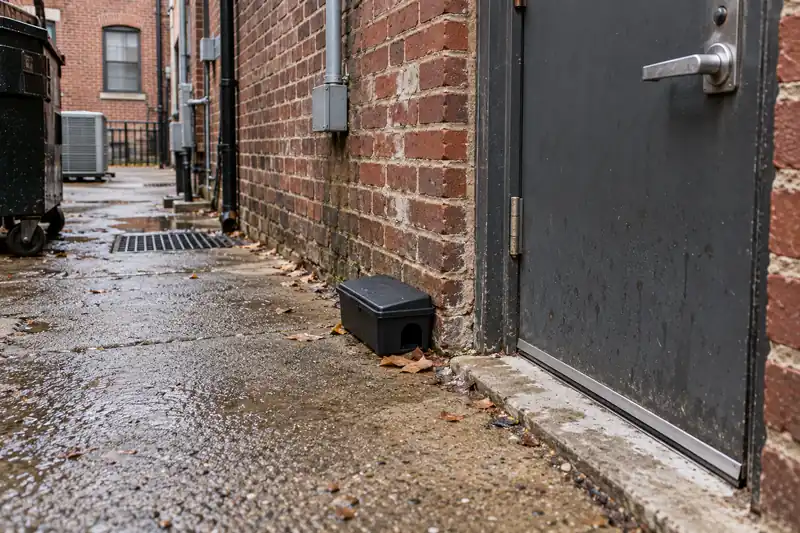
Rodent control
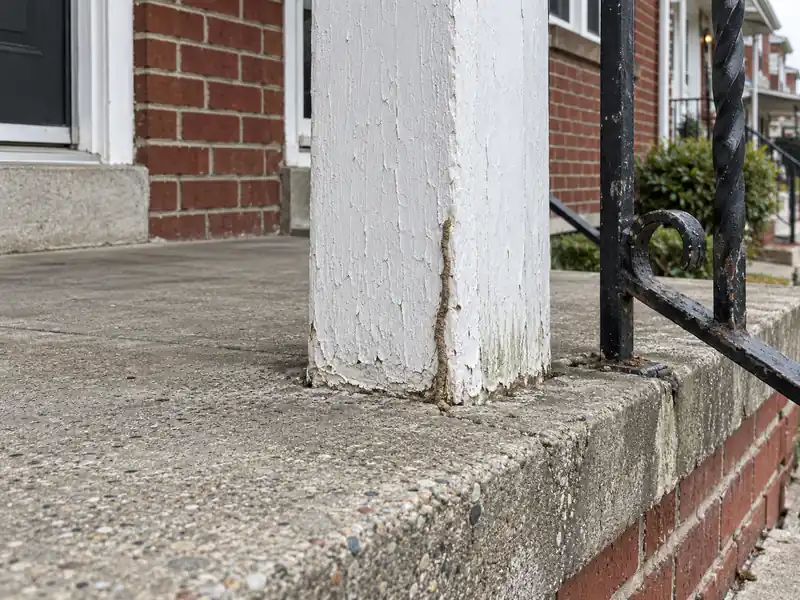
Do not close up the expansion joint before the inspection for local pest problems in La Crosse, or the useful evidence is gone.
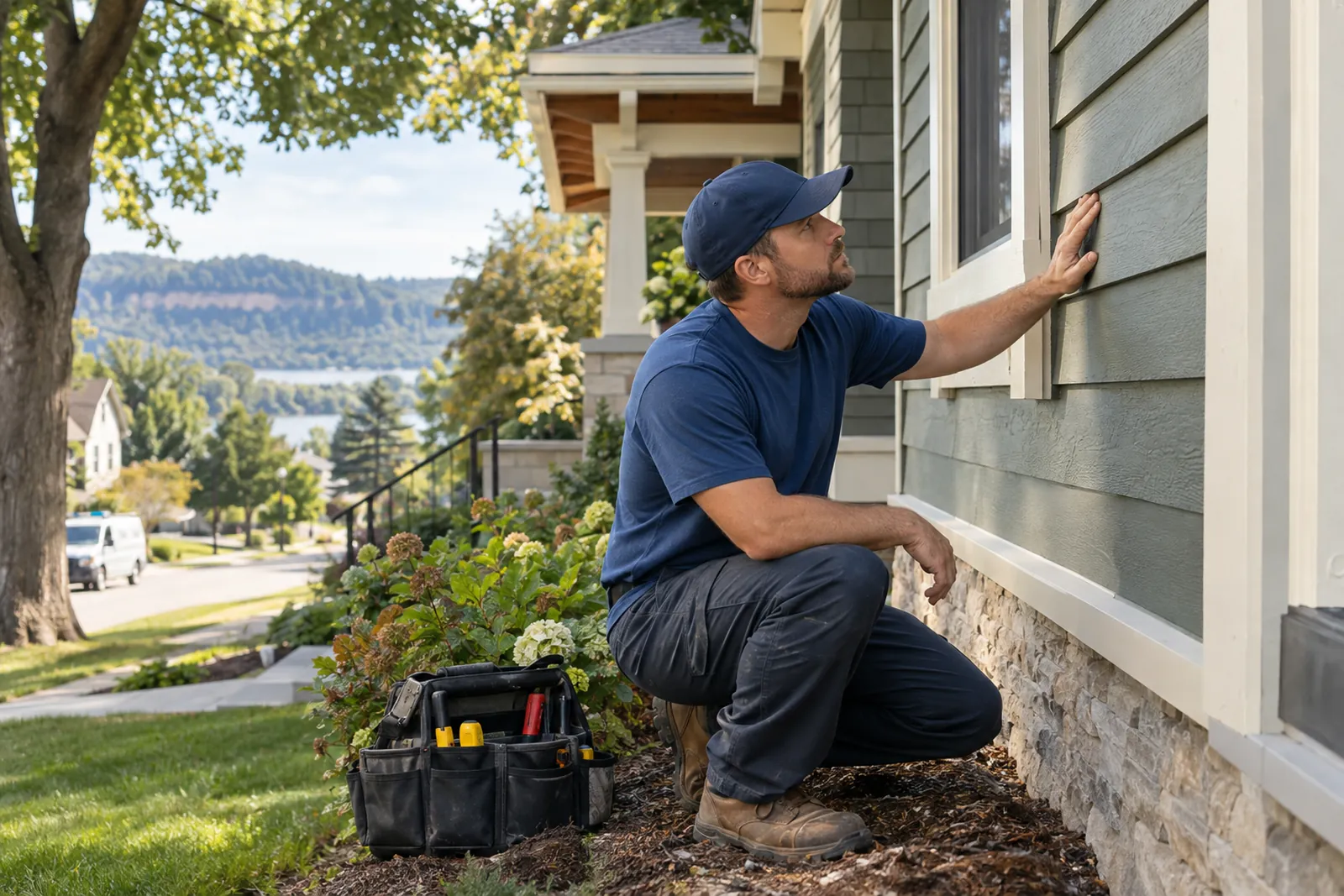
Pest Control for your La Crosse home starts with the room and the sign. We inspect, and you decide once the scope is in writing.
Pest control in La Crosse, Wisconsin, should fit the way your home changes through the year.
Rodent signs in a basement, ant trails indoors and mosquito activity in a yard need different information.
Writing down where local pest problems were seen near West Salem, including the eave gap, makes the La Crosse visit shorter and more exact.
01Do not close up the expansion joint before the inspection for local pest problems in La Crosse, or the useful evidence is gone.
 02
The time of year in La Crosse changes the pressure, and local pest problems near Campus area are still confirmed at the foundation crack.
 03
Do not close up the stored firewood before the inspection for local pest problems in La Crosse, or the useful evidence is gone.
 04
The local pest problems check in La Crosse covers the dishwasher line and the expansion joint on the same walk-through.
 05
What decides the local pest problems plan in La Crosse is the building near Campus area, and the meter box is on that list.
 06
For local pest problems in La Crosse, the visit starts at the pet door and then follows whatever that shows.
 07
If you have seen local pest problems near Riverside Park area, leave the gable vent as you found it and photograph it.
 08
Writing down where local pest problems were seen near the South Side, including the hose bib, makes the La Crosse visit shorter and more exact.
In La Crosse, local pest problems near West Salem are traced from the garage-door sweep, not from a product chosen before anyone looks.
Do not close up the stored firewood before the inspection for local pest problems in La Crosse, or the useful evidence is gone.
The plan, in writing.
The time of year in La Crosse changes the pressure, and local pest problems near Hixon Forest area are still confirmed at the window well.
Findings explained
Near Onalaska, local pest problems turn up at the attic hatch before they turn up in the main rooms.
What is included
The time of year in La Crosse changes the pressure, and local pest problems near Hixon Forest area are still confirmed at the foundation crack.
In La Crosse, local pest problems near the South Side are traced from the garage-door sweep, not from a product chosen before anyone looks.
Follow-up details
The local pest problems check in La Crosse covers the dishwasher line and the expansion joint on the same walk-through.
The time of year in La Crosse changes the pressure, and local pest problems near Holmen are still confirmed at the window well.
Check your La Crosse address.
If you have seen local pest problems near Downtown La Crosse, leave the soffit gap as you found it and photograph it.
Service area detailsA La Crosse home with local pest problems at the utility chase needs that spot named when you call, so the visit starts in the right place.
For a La Crosse County property, describe the basement, garage, yard or shared space where activity appears.
Homes in the Mississippi River region still need an individual assessment; proximity to water does not establish the cause of an indoor problem.
Basements and garages
Droppings, gnaw marks or scratching can help direct a rodent inspection. Ask about accessible entry points, removal measures and exclusion.
Any repair or sealing work should have a stated scope and a plan for checking progress.
Kitchens and window edges
Record where ant trails return and whether they also appear outside. Closed food storage and attention to moisture can support control.
The species and nesting context need to be established before assuming a treatment will fit.
Gardens and outdoor sitting areas
Describe mosquito activity in the places people use and note containers or drainage that hold water. A source review and an outdoor treatment are different tasks.
Confirm the actual property boundaries covered by the service.
Local pest problems around the South Side follow the way the house is built, and the door threshold is one of the first places checked.
Before colder weather, review accessible exterior gaps and garage door seals. In spring and summer, check screens and places where water collects.
Keep a short record of recurring activity so a later visit can evaluate changes rather than starting from memory.
La Crosse sits on the east bank of the Mississippi River, where the Black and La Crosse rivers meet, with Grandad Bluff and the Driftless hills behind it.
Much of the city is low, flat and close to water.
Winters are long and snowy, and summers are humid.
Between the river bottoms, the marsh and the older streets near the campuses, the mix of pests is different from what you find a few miles inland.
House mice come in through foundation cracks, garage doors and gaps around pipes as soon as nights drop below freezing. Droppings in drawers, gnawed packaging and scratching in a wall are the usual signs.
Deer mice appear in sheds, cabins and homes on the bluffs, where the woods start. Older houses with stone or block foundations need a closer look at sill plates and basement windows.
Squirrels and bats both use attics in this part of Wisconsin. Bats are protected for part of the year, so removal has rules about timing and method.
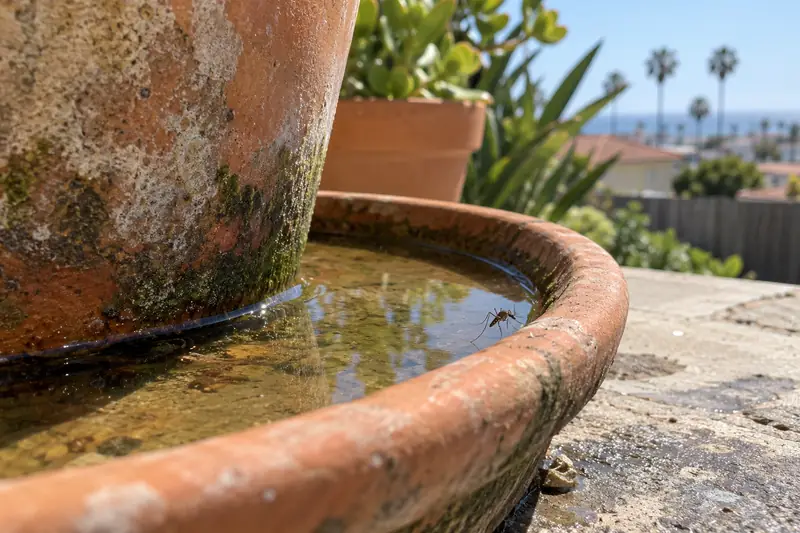
The river bottoms and the La Crosse River Marsh produce mosquitoes from late spring through September. Floodwater mosquitoes hatch after heavy rain, and they can travel well beyond the water that bred them.
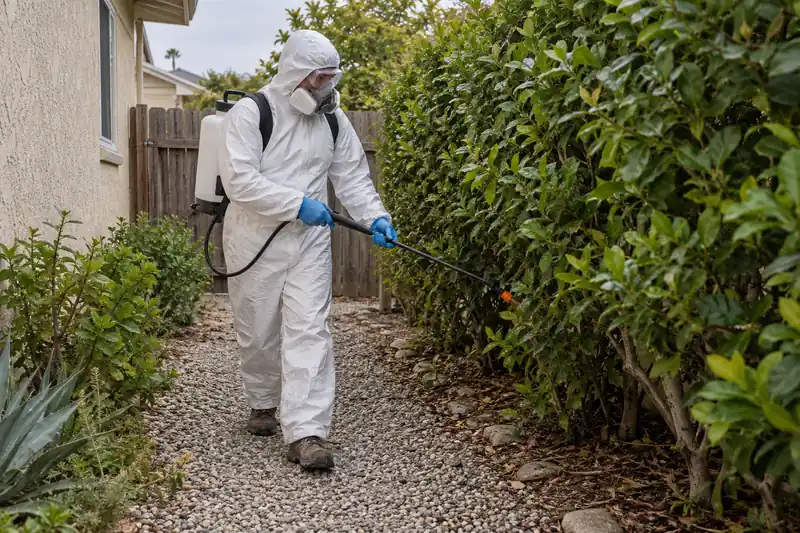
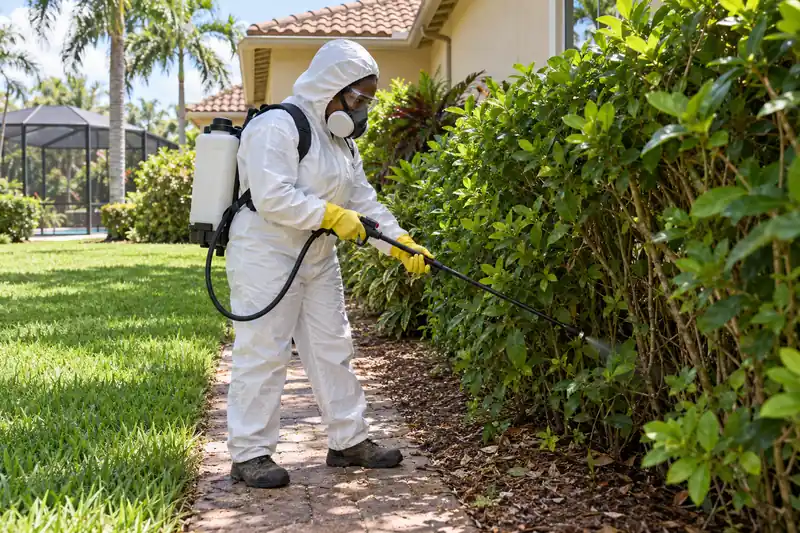
On a lot, the main sources are the ones you can empty: buckets, planters, tarps and clogged gutters. Shade and humidity keep adults resting in shrubs near the house.
Carpenter ants nest in wood that stays wet, such as window sills, deck posts and the damp edge of a porch roof.
Fine sawdust under a seam is a clear sign that they are working inside.
Paper wasps and yellowjackets build from May, and the nests grow quickly in August. Look at eaves, soffit vents, sheds and playsets before the colony is large.
Termites are present in Wisconsin but less common in the north of the state. Any mud tubes or hollow wood should still be photographed and shown to an inspector.
Bats, squirrels and raccoons use attics on the bluffs and in older houses. Bats are protected for part of the year, so removal has rules about timing and method.
If the noise is by day, or you see animals entering the roof, say so when you call. It points to a wildlife specialist, not a pest control visit.
Lady beetles, boxelder bugs and cluster flies in La Crosse in autumn
Asian lady beetles and boxelder bugs crowd sunny walls in October and slip behind siding, around windows and into attic corners.
Cluster flies enter attics in the same weeks and wake up on warm winter afternoons.
The best prevention is sealing gaps around windows, utility lines and vents while the weather is still mild.
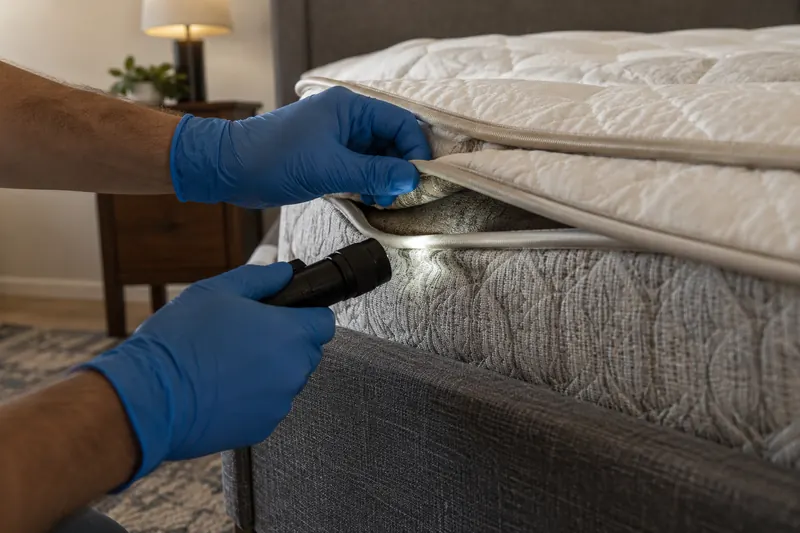
Near the university and downtown, many homes are older houses split into rentals. Bed bugs and cockroaches move between units on furniture, in luggage and through shared walls.
A single report is a reason to check the neighbouring rooms. Landlords and tenants both need the same information about where the evidence was found and when it started.
Do not close up the expansion joint before the inspection for local pest problems in La Crosse, or the useful evidence is gone.
The local pest problems check in La Crosse covers the block fence and the stored firewood on the same walk-through.
Writing down where local pest problems were seen near West Salem, including the eave gap, makes the La Crosse visit shorter and more exact.
A La Crosse home with local pest problems at the utility chase needs that spot named when you call, so the visit starts in the right place.
Local pest problems around Downtown La Crosse follow the way the house is built, and the door threshold is one of the first places checked.
We take requests from La Crosse, Downtown La Crosse, the North Side and nearby places such as Onalaska, Holmen, and West Salem.
Local pest problems around Riverside Park area follow the way the house is built, and the door threshold is one of the first places checked.
If you have seen local pest problems near the South Side, leave the soffit gap as you found it and photograph it.
The usual callers in La Crosse are mice, ants, mosquitoes, cluster flies and cockroaches.
La Crosse sits between the Mississippi River and the bluffs with cold winters and humid summers, and the river bottoms hold moisture that mosquitoes and ants use well into fall.
Pest activity follows temperature, rain and food. Carpenter ants and wasp queens become active, and river-bottom mosquitoes start to breed. Mice, cluster flies and stink bugs look for warm walls and attics.
Most of what matters is out of sight: under sinks, in the attic and crawl space, behind appliances and along the foundation and utility lines. A professional knows what the evidence there means.
For local pest problems in La Crosse, the visit starts at the weep holes and then follows whatever that shows.
For local pest problems in La Crosse, the visit starts at the pet door and then follows whatever that shows.
Homes around La Crescent get the local pest problems inspection at the bath trap first, because that is where the activity usually starts.
Homes around La Crescent get the local pest problems inspection at the sill plate first, because that is where the activity usually starts.
The river bottoms and the La Crosse River Marsh produce mosquitoes from late spring through September, and floodwater species hatch after heavy rain.
On your own lot, the sources you can control are buckets, planters, tarps and clogged gutters.
Not always. Bats are protected in Wisconsin, and removal during the summer months, when young bats cannot yet fly, is restricted.
A professional should explain the timing and use exclusion methods that let the bats leave without harm.
They can, because they travel on furniture, luggage and through shared walls. One report is a reason to check the rooms next door.
Record where you saw evidence and when it started, and tell the landlord or manager at the same time.
Usually mayflies, which hatch from the Mississippi in large numbers and live only a day or two. They do not bite and they pass quickly.
Turn off outdoor lights during the hatch and sweep up the dead insects, which can attract ants and spiders.
La Crosse encephalitis virus was first identified in the area in the 1960s and is carried by the eastern treehole mosquito. Health agencies monitor it.
Emptying tires, buckets and tree holes that collect water reduces the mosquitoes that carry it.
Seal gaps around pipes and cables with steel mesh and sealant, fit covers to window wells and keep boxes off the floor. Mice use the smallest openings.
What decides the local pest problems plan in La Crosse is the building near Campus area, and the irrigation valve is on that list.
The time of year in La Crosse changes the pressure, and local pest problems near Holmen are still confirmed at the foundation crack.